


Specialist research tools

- Update Time : ০৩:২৭:২২ অপরাহ্ন, শুক্রবার, ২৭ নভেম্বর ২০২৬
- / ১ Time View

Specialist research tools
Learn essential tools to help you with your coursework and your future career. The Academic Mentoring Hub contains information, resources and key contacts to help you make the most of your time at LSE, your relationship with your Academic Mentor, and specific support for all students. You can also book one-to-one sessions with Learning Lab Study Advisers to discuss specific aspects of your work or consult the Learning Lab Moodle page for a range of resources to develop your learning. There are also details for named School contacts who you can get in touch with for support and advice. The Moodle course, Library Companion for Data Resources, provides a good introduction to data resources and will help you locate material.
Further support can be found in the tidy text mining book, which available online. Developed by Julia Silge, Data Scientist for RStudio, the Tidytext package like quanteda has a useful set of tools for processing and analysing textual data. Developed by Professor Ken Benoit, Director of the LSE Data Science Institute, the quanteda package has a useful set of tools for processing and analysing textual data. R is an open-source programming language for statistical computing and graphics, with many software extensions known as libraries or packages. NLTK is a free, open-source platform for building Python programs to work with human language data.
We aim to respond to enquiries within two working days. We provide access to two of the largest repositories of social science data, which contain a range of quantitative and qualitative research data. We provide access to a number of general databases that contain country level data and analysis that will be of value to researchers. Our collection contains a variety of different types of data that can be used across the social sciences.
Upload your research to LSE Research Online, the institutional repository for LSE, which will host any research produced by LSE staff, including articles, working papers, books, book chapters, reports, discussion papers, research blogs and datasets.
Wordstat is an add-on to QDA miner, that provides sophisticated content analysis and text mining tools. It provides quantitative tools for analysing qualitative data, as well as the common qualitative tools for qualitative data analysis that you see with software like NVivo. NVivo is a commercial software that provides tools for qualitative and mixed methods analysis. Certain collections are located in closed storage areas and need to be fetched by Library staff for use.
See our access archives and special collections page for up to date information. In the Main Collection you will find our research collections and background readings from your reading lists. Search our collections using Library Search or one of the other specialist catalogues. The Library will arrange open access for you where possible, including payment of any fees. Staff are available during office hours to help you find material or answer any other queries you have.
Text analysis in Python is achieved using the Natural Language Toolkit (NLTK) library. Python is an open-source general purpose programming language, with many software extensions known as libraries. QDA Miner is a commercial software used for mixed methods analysis.
Please note that this does not mean altering any original material or removing collections or records from public access. Certain materials may contain depictions or language that were once commonplace but are now considered inaccurate, inappropriate, or harmful. Apart from this, they also have services to enhance your research visibility with citation analysis services to help you improve your research impact. There are many useful tools for collecting data for research and it is important that you consider ethical issues related to data collection, including permissions and GDPR regulations. The Digital Skills Lab offers support in a range of specialist research tools.
Material not available at LSE can also be requested via our Get it for Me service. Use these trusted sources for academic definitions, specialist terminology, historical and cultural context and more. You can borrow these books for 90 days (seven days if requested follow the source link by someone else).
Please Share This Post in Your Social Media
















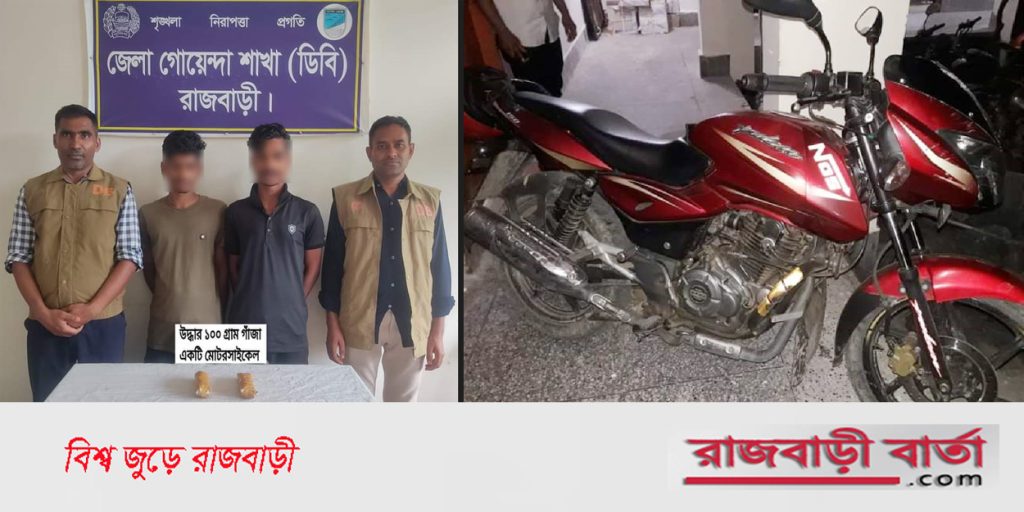





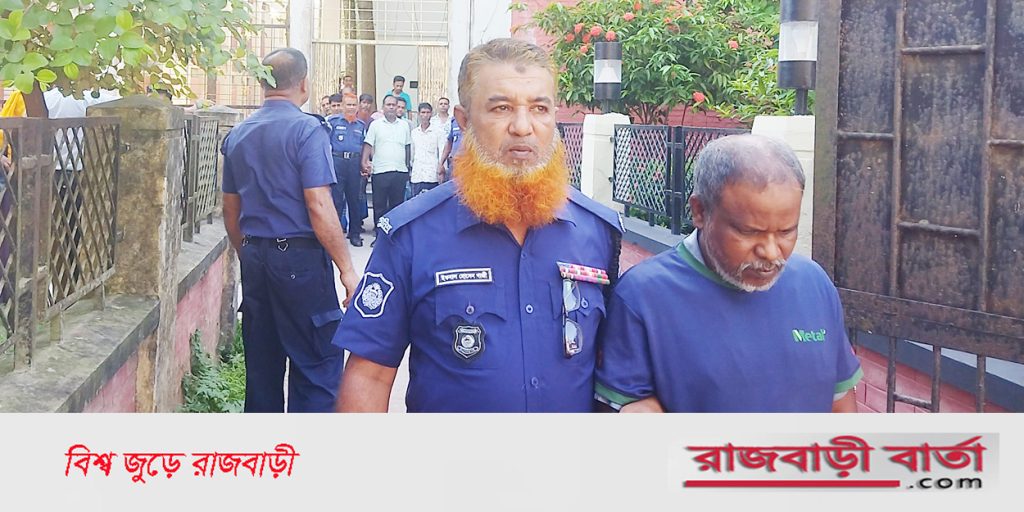






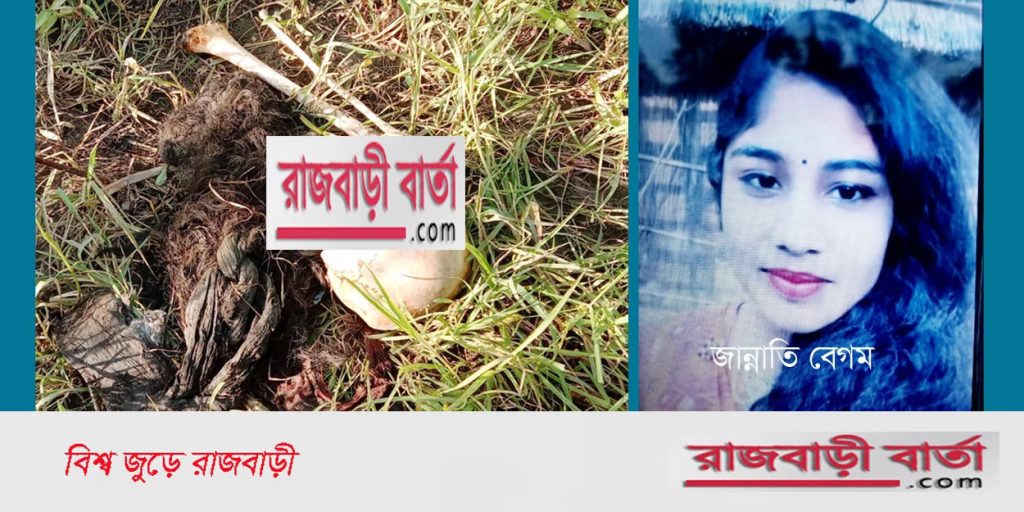

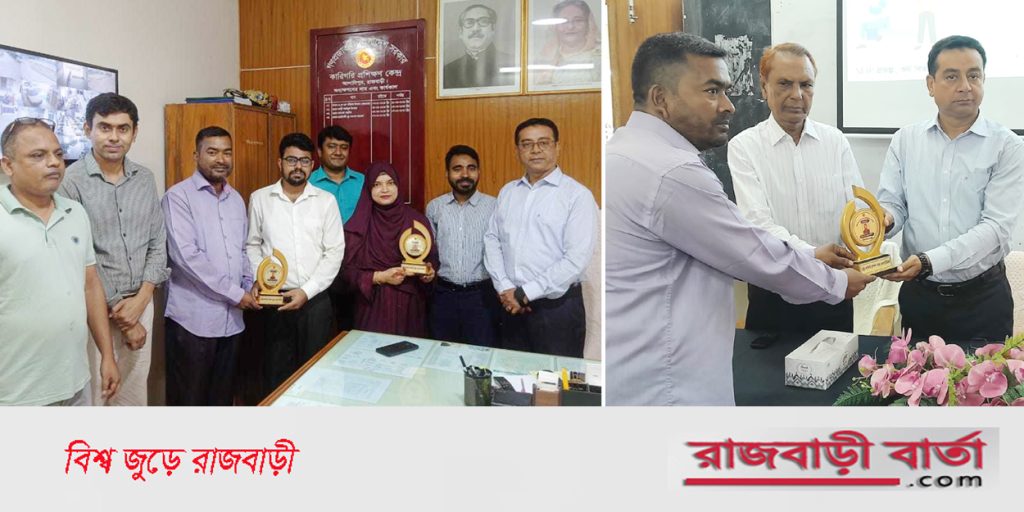

















রাজবাড়ীতে বিএনপি’র খৈয়ম গ্রুপের সাথে যুবলীগ ও ছাত্রলীগের ধাওয়া পাল্টা ধাওয়া: ভাংচুর,গুলি, আটক


পাংশায় স্কুল শিক্ষককে গুলি করে হত্যায় অংশ নেয়া ৩ আসামি গ্রেপ্তার, আগ্নেয়াস্ত্র ও বোমা উদ্ধার




ঈদ উপলক্ষে রাজবাড়ী ও গোয়ালন্দের দলীয় নেতাদের মাঝে ২৬ লাখ টাকা বিতরণ করলেন এমপি কাজী কেরামত আলী


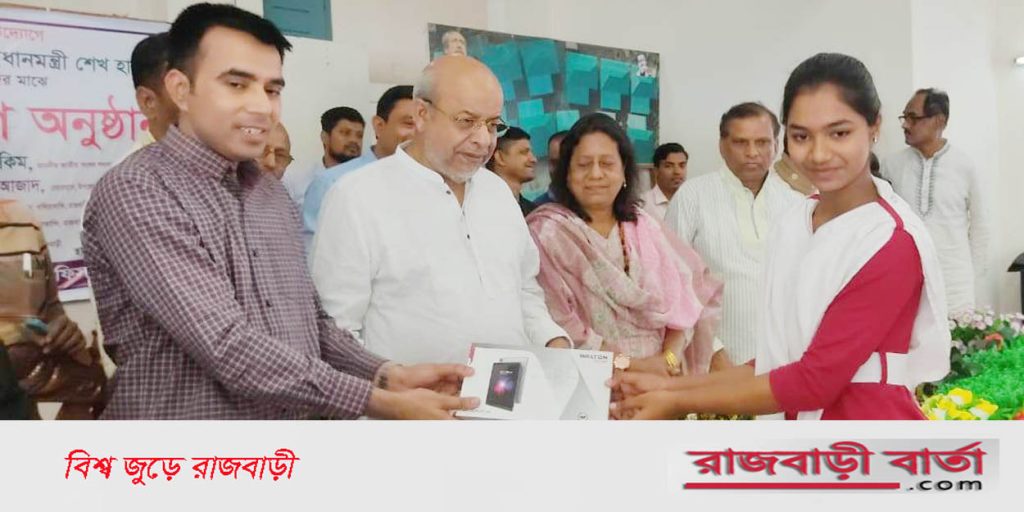
প্রথম আলো’র সাংবাদিকের মুক্তি ও সম্পাদকের বিরুদ্ধে মামলা প্রত্যাহারের দাবিতে রাজবাড়ীতে মানববন্ধন

বালিয়াকান্দিতে মাধব বাহিনীর চাঁদাবাজির ও সন্ত্রাসী কার্যকলাপের বিরুদ্ধে মানববন্ধন ও প্রতিবাদ সভা


বরাট দেওয়ান মোহাম্মদ ইসহাক হাফেজিয়া মাদ্রাসা ও নূরানী কিন্ডারগার্টেন বাৎসরিক ক্রীড়া প্রতিযোগিতা

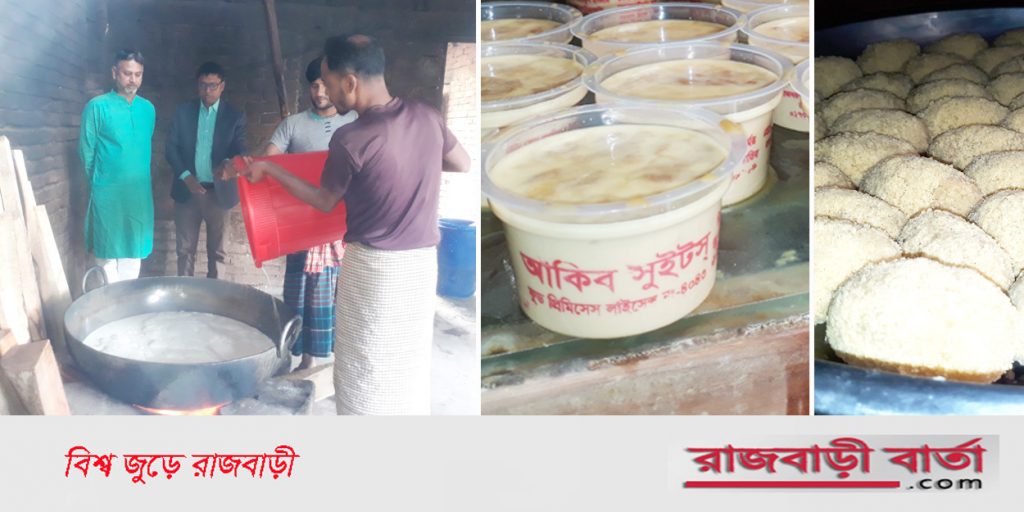
চাঁদার দাবীতে গোয়ালন্দে ঠিকাদারী প্রতিষ্ঠানের ব্যবস্থাপককে মারধর, ছাত্রলীগ নেতা শরিফুল গ্রেপ্তার
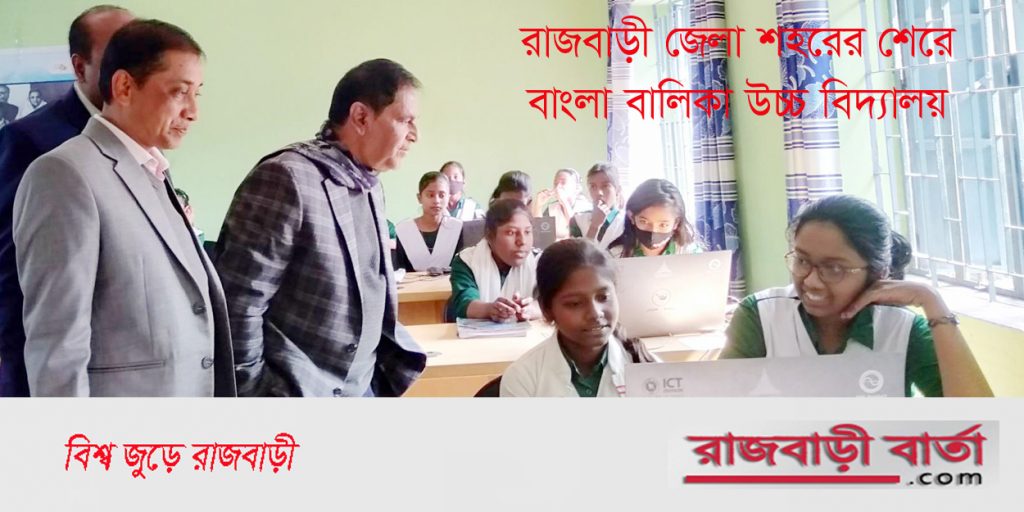
বিদ্যুৎ ও গ্যাসের ক্ষেত্রে দুর্ণীতি বন্ধ করা হলে উচ্চ মূল্য কিনতে হতো না – রাজবাড়ীতে রাশেদ খান মেনন