


Section: Pest risk analysis IPPC PLANT HEALTH CAMPUS FAO elearning Academy

- Update Time : ১২:৩৩:২১ পূর্বাহ্ন, শনিবার, ২৮ নভেম্বর ২০২৬
- / ১ Time View

Section: Pest risk analysis IPPC PLANT HEALTH CAMPUS FAO elearning Academy
Pest control programs or natural enemies already in the PRA area which reduce the probability of establishment may be considered. The probability of establishment in a protected environment, e.g. in glasshouses, should also be considered. In the case of plants to be imported, the assessment of the probability of establishment concerns the unintended habitats. The situation in the PRA area can then be compared with that in the areas where it currently occurs (taking account also of protected environments such as glass- or greenhouses) and expert judgement used to assess the probability of establishment. In order to estimate the probability of establishment of a pest, reliable biological information (life cycle, host range, epidemiology, survival etc.) should be obtained from the areas where the pest currently occurs. The assessment of probability of spread is based primarily on biological considerations similar to those for entry and establishment.

If a pest does not fulfil all of the criteria for a quarantine pest, the PRA process for that pest may stop. If it has been determined that the pest has the potential to be a quarantine pest, the PRA process should continue. However, it is recognized that ISPM No. 5 Glossary of phytosanitary terms, Supplement No. 1 on official control, in particular Section 5.7, applies. If the pest is present but not widely distributed in the PRA area, it should be under official control or expected to be under official control in the near future.
In assessing the probability of spread, this should be considered, based on evidence of such behaviour. The information on probability of spread is used to estimate how rapidly a pest’s potential economic importance may be expressed within the PRA area. The situation in the PRA area can then be carefully compared with that in the areas where the pest currently occurs and expert judgement used to assess the probability of spread. In order to estimate the probability of spread of the pest, reliable biological information should be obtained from areas where the pest currently occurs.

Appropriate analysis may be used to estimate potential economic consequences over the period of time when a pest is spreading in the PRA area. Other scenarios could concern whether the pest occurs at one, few or many points in the PRA area and the expression of potential economic consequences will depend on the rate and manner of spread in the PRA area. Estimations made in the previous section related to a hypothetical situation where the pest is supposed to have been introduced and to be fully expressing its potential economic consequences (per year) in the PRA area. The probability of introduction may be expressed as a comparison with that obtained from consult the document PRAs on other pests. The overall probability of introduction should be expressed in terms most suitable for the data, the methods used for analysis, and the intended audience.

Evaluation and selection of options to reduce the risk of introduction and spread of a pest [FAO, 1995; revised ISPM No. 11, 2001] The process for determining whether a pest has or has not the characteristics of a quarantine pest or those of a regulated non-quarantine pest [ISPM No. 11, 2001] Principles of plant quarantine as related to international trade, 1995. Determination of pest status in an area, 1998.
As a result of the pest risk assessment, all or some of the categorized pests may be considered appropriate for pest risk management. In such cases, risk assessment will primarily focus on the probability of introduction and spread. If no potential quarantine pests are identified as likely to follow the pathway, the PRA may stop at this point. The overall risk rating can be assigned and utilised in the next stage of PRA, pest risk management.
It describes the integrated processes to be used for risk assessment as well as the selection of risk management options. It is important at the initiation stage in order to clarify the identity of the pest(s), its/their present distribution and association with host plants, commodities etc.
Stage 2 (risk assessment) begins with the categorization of individual pests to determine whether the criteria for a quarantine pest are satisfied. The objectives of a PRA are, for a specified area, to identify pests and/or pathways of quarantine concern and evaluate their risk, to identify endangered areas, and, if appropriate, to identify risk management options. Area in relation to which a pest risk analysis is conducted [FAO, 1995]
Please Share This Post in Your Social Media



































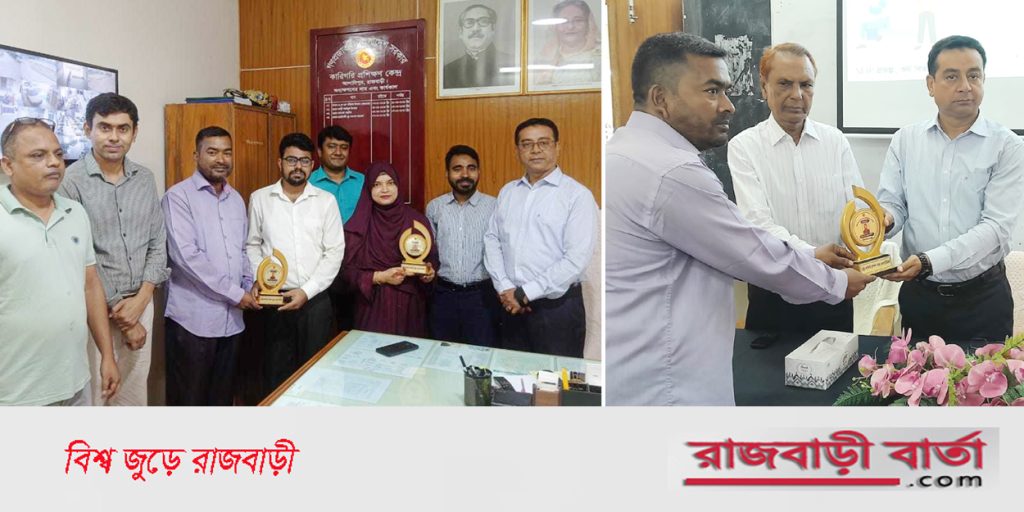

















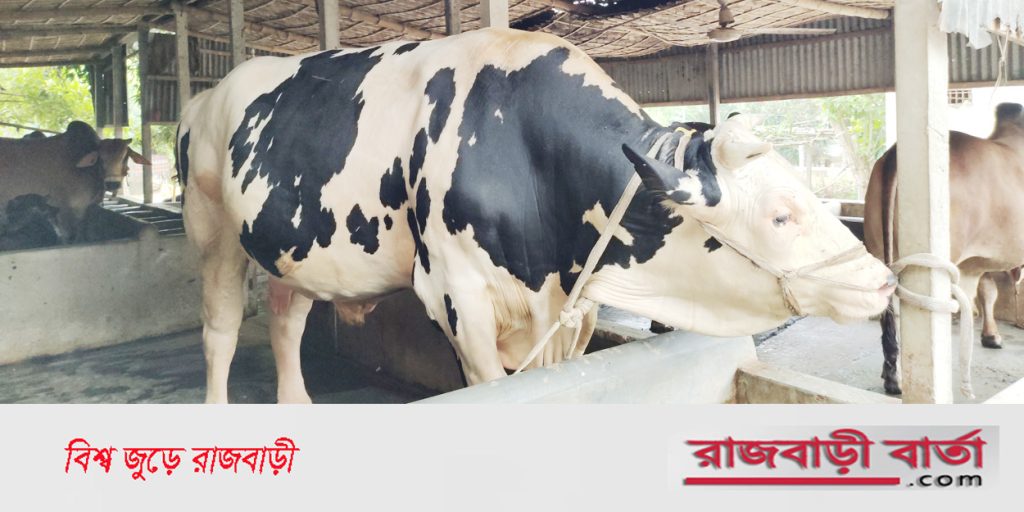






রাজবাড়ীতে বিএনপি’র খৈয়ম গ্রুপের সাথে যুবলীগ ও ছাত্রলীগের ধাওয়া পাল্টা ধাওয়া: ভাংচুর,গুলি, আটক


পাংশায় স্কুল শিক্ষককে গুলি করে হত্যায় অংশ নেয়া ৩ আসামি গ্রেপ্তার, আগ্নেয়াস্ত্র ও বোমা উদ্ধার




ঈদ উপলক্ষে রাজবাড়ী ও গোয়ালন্দের দলীয় নেতাদের মাঝে ২৬ লাখ টাকা বিতরণ করলেন এমপি কাজী কেরামত আলী



প্রথম আলো’র সাংবাদিকের মুক্তি ও সম্পাদকের বিরুদ্ধে মামলা প্রত্যাহারের দাবিতে রাজবাড়ীতে মানববন্ধন

বালিয়াকান্দিতে মাধব বাহিনীর চাঁদাবাজির ও সন্ত্রাসী কার্যকলাপের বিরুদ্ধে মানববন্ধন ও প্রতিবাদ সভা


বরাট দেওয়ান মোহাম্মদ ইসহাক হাফেজিয়া মাদ্রাসা ও নূরানী কিন্ডারগার্টেন বাৎসরিক ক্রীড়া প্রতিযোগিতা

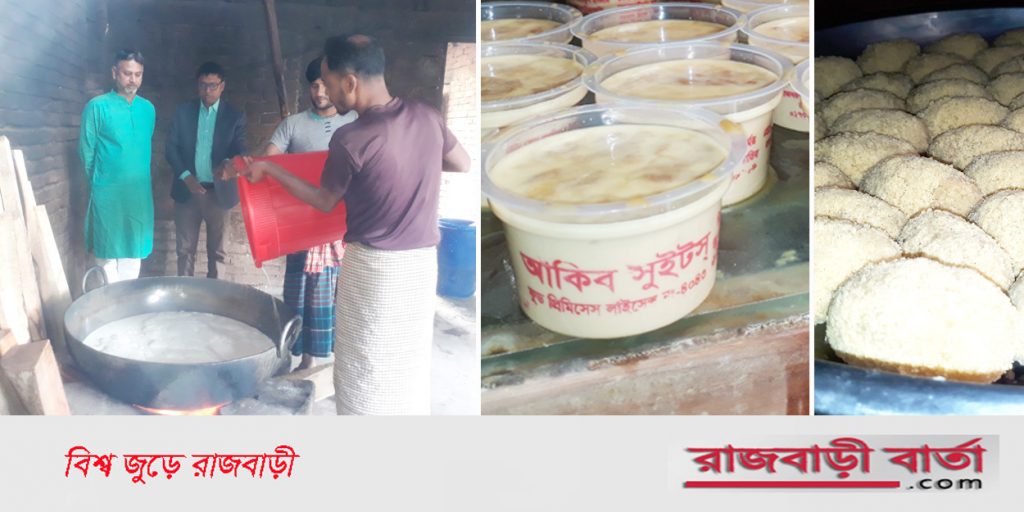
চাঁদার দাবীতে গোয়ালন্দে ঠিকাদারী প্রতিষ্ঠানের ব্যবস্থাপককে মারধর, ছাত্রলীগ নেতা শরিফুল গ্রেপ্তার

বিদ্যুৎ ও গ্যাসের ক্ষেত্রে দুর্ণীতি বন্ধ করা হলে উচ্চ মূল্য কিনতে হতো না – রাজবাড়ীতে রাশেদ খান মেনন