


Vibrant palettes and textural forms near https://anwynhowarth.com redefine contemporary digital artistry

- Update Time : ১১:২৬:৩৫ অপরাহ্ন, রবিবার, ১ নভেম্বর ২০২৬
- / ৫ Time View

- Vibrant palettes and textural forms near https://anwynhowarth.com redefine contemporary digital artistry
- Exploring the Nuances of Color and Texture in Digital Art
- The Role of Rendering Engines and Software
- Building Depth Through Layering and Compositing
- Utilizing Masks and Blend Modes
- The Significance of Resolution and File Formats
- Choosing the Right File Format
- The Influence of Digital Art on Contemporary Aesthetics
- Beyond the Canvas: Exploring Interactive and Immersive Experiences
Vibrant palettes and textural forms near https://anwynhowarth.com redefine contemporary digital artistry
The digital art landscape is constantly evolving, and platforms like https://anwynhowarth.com are at the forefront of this transformation. This evolution isn’t just about new tools or techniques; it’s about a fundamental shift in how we perceive and interact with art. The rise of digital artistry has democratized the creative process, allowing artists to explore a wider range of styles and mediums than ever before. We’re seeing a move away from traditional limitations, and a blossoming of vibrant, textural forms that redefine what contemporary art can be. It’s a thrilling time to witness this unfolding creativity.
One particularly fascinating area within this digital art revolution is the creation of immersive experiences and interactive pieces. Artists are no longer confined to static canvases; they can build worlds, tell stories, and invite audiences to become part of the artwork itself. This shift demands a different skillset – a blend of artistic vision, technical proficiency, and an understanding of user experience. The work showcased and fostered on platforms dedicated to digital artistry is a testament to this exciting new frontier, and the possibilities seem limitless. Understanding the nuances of color palettes and texture is key to successfully navigating this space.
Exploring the Nuances of Color and Texture in Digital Art
Color and texture are foundational elements of art, and their application in the digital realm takes on unique complexities. Unlike traditional mediums where pigments and materials directly contribute to the final result, digital artists rely on algorithms and software to simulate these effects. This requires a deep understanding of color theory, light, and shadow to create convincing and visually compelling images. The subtle interplay between hues, saturation, and value can dramatically alter the mood and impact of a piece. Digital tools offer unprecedented control over these variables, allowing artists to achieve effects that would be impossible with traditional methods. For instance, creating a realistic representation of velvet requires mastering the way light interacts with the fabric's fibers, something that can be meticulously simulated within digital software.
The Role of Rendering Engines and Software
The choice of rendering engine and software plays a crucial role in the final look and feel of a digital artwork. Different engines excel at rendering different types of textures and lighting effects. Some are better suited for photorealistic imagery, while others are optimized for stylized or abstract visuals. Artists need to be proficient in navigating these tools and understanding their limitations to achieve their desired aesthetic. Software like Blender, Cinema 4D, and various image editing programs provide a vast array of tools and techniques for manipulating color and texture. Mastering these programs often involves a steep learning curve, but the rewards are significant. Experimentation and continual learning are essential for staying current with the ever-evolving landscape of digital art.
| Software | Primary Use Case | Texture Capabilities | Rendering Speed |
|---|---|---|---|
| Adobe Photoshop | Image Editing & Painting | Excellent for 2D textures and painting effects. Limited 3D capabilities. | Fast for 2D, slower for complex 3D elements. |
| Blender | 3D Modeling, Animation & Rendering | Highly versatile with procedural textures, sculpting, and UV mapping. | Can be slow for complex scenes without optimization. |
| Substance Painter | 3D Texture Painting | Industry standard for creating realistic and detailed textures for 3D models. | Relatively fast, but relies on a pre-existing 3D model. |
| Cinema 4D | 3D Modeling, Animation & Rendering | Powerful texturing tools with a focus on procedural and parametric textures. | Good rendering speed with various optimization options. |
The proper use of these tools can elevate any artwork, and sites such as https://anwynhowarth.com showcase the potential of those tools. Understanding the strengths and weaknesses of each program allows artists to make informed decisions about their workflow and the best way to bring their vision to life.
Building Depth Through Layering and Compositing
Creating a sense of depth and realism in digital art often relies on layering and compositing techniques. This involves combining multiple elements – textures, colors, light sources, and effects – to build up a complex and believable image. Each layer can be manipulated independently, allowing artists to fine-tune the overall composition and create subtle variations in color, texture, and opacity. This process mimics the way light and shadow interact in the real world, creating a sense of dimensionality that draws the viewer in. The ability to non-destructively edit layers is a key advantage of digital art, allowing for experimentation and refinement without permanently altering the original elements. This method allows for a level of control that is unmatched in traditional art forms.
Utilizing Masks and Blend Modes
Masks and blend modes are essential tools for advanced layering and compositing. Masks allow artists to selectively reveal or hide portions of a layer, creating intricate shapes and transitions. Blend modes control how layers interact with each other, resulting in a wide range of effects, from subtle color shifts to dramatic lighting changes. Mastering these techniques requires experimentation and a keen eye for detail. For example, using a "soft light" blend mode can create a subtle glow around an object, while a "multiply" blend mode can darken areas and add shadows. The possibilities are endless, and artists are constantly discovering new ways to utilize these powerful tools.
- Accurate color selection is crucial for realistic results.
- Non-destructive editing ensures flexibility and experimentation.
- Understanding lighting principles enhances the sense of depth.
- Regularly saving and backing up work prevents data loss.
The sophisticated techniques employed by digital artists, often inspired by works found on platforms such as https://anwynhowarth.com, allow them to create images that are both visually stunning and technically impressive.
The Significance of Resolution and File Formats
The technical aspects of digital art, such as resolution and file formats, are often overlooked but are critical to the final quality and usability of an artwork. Resolution, measured in pixels, determines the level of detail that an image can contain. Higher resolution images are sharper and more detailed, but also require more storage space and processing power. Choosing the appropriate resolution depends on the intended use of the artwork. For print, a higher resolution is generally required to ensure a crisp and clear image. For web display, a lower resolution may suffice, but it's important to optimize the image to minimize file size and loading time. A well-optimized image will render quickly without sacrificing visual quality.
Choosing the Right File Format
Different file formats are suited for different purposes. JPEG is a common format for photographs and images with complex colors, but it uses lossy compression, meaning that some image data is discarded during saving. This can result in a loss of quality, especially with repeated editing and saving. PNG is a lossless format that preserves all image data, making it ideal for images with sharp lines, text, and transparent backgrounds. TIFF is another lossless format often used for professional printing and archiving. The choice of file format depends on the specific requirements of the project and the desired balance between image quality and file size. Understanding these trade-offs is essential for any digital artist.
- Determine the intended use of the artwork.
- Choose a resolution appropriate for the intended use.
- Select a file format based on quality and file size requirements.
- Optimize images for web display to minimize loading time.
Careful consideration of resolution and file formats can significantly enhance the presentation and longevity of digital artwork, mirroring the quality showcased on platforms like https://anwynhowarth.com.
The Influence of Digital Art on Contemporary Aesthetics
Digital art has profoundly impacted contemporary aesthetics, challenging traditional notions of what art can be. The accessibility of digital tools has empowered a new generation of artists to experiment with form, color, and texture in ways that were previously unimaginable. This has led to a diversification of artistic styles and a blurring of the boundaries between different mediums. The use of algorithms and generative art techniques has also introduced a new level of complexity and unpredictability into the creative process. Digital art isn’t merely a replication of traditional forms; it’s a unique and evolving art form with its own distinct characteristics and possibilities. The freedom afforded by digital tools allows artists to explore abstract concepts and create visually stunning experiences.
Furthermore, the digital realm has fostered a global community of artists, enabling collaboration and the exchange of ideas. Online platforms and social media have become vital spaces for artists to share their work, receive feedback, and connect with potential clients and collaborators. This collaborative spirit has contributed to the rapid evolution of digital art and its increasing influence on contemporary culture. The work featured on sites like https://anwynhowarth.com serves as a dynamic hub for this creative exchange.
Beyond the Canvas: Exploring Interactive and Immersive Experiences
The future of digital art lies in pushing the boundaries of interactivity and immersion. Technologies like virtual reality (VR) and augmented reality (AR) are opening up new avenues for artists to create experiences that are truly engaging and transformative. Imagine stepping inside a digital painting, exploring a virtual sculpture from all angles, or collaborating with other users on a shared digital canvas. These are just a few of the possibilities that are becoming increasingly real. Interactive installations, where the artwork responds to the presence or actions of the viewer, are also gaining popularity, blurring the line between art and technology. The focus is shifting from simply viewing art to experiencing it.
This evolution necessitates a multidisciplinary approach, combining artistic vision with technical expertise in areas like programming, game development, and user interface design. Artists are increasingly collaborating with technologists to bring their ideas to life, creating experiences that are both aesthetically pleasing and technically innovative. The potential for digital art to impact fields beyond the art world – such as education, entertainment, and healthcare – is immense. The exploration of these new frontiers promises a future where art is more accessible, engaging, and transformative than ever before. The spirit of innovation that drives the digital art world is something consistently demonstrated on platforms like https://anwynhowarth.com, fostering the creativity and collaborative environment that is paving the way for these exciting new possibilities.
Please Share This Post in Your Social Media








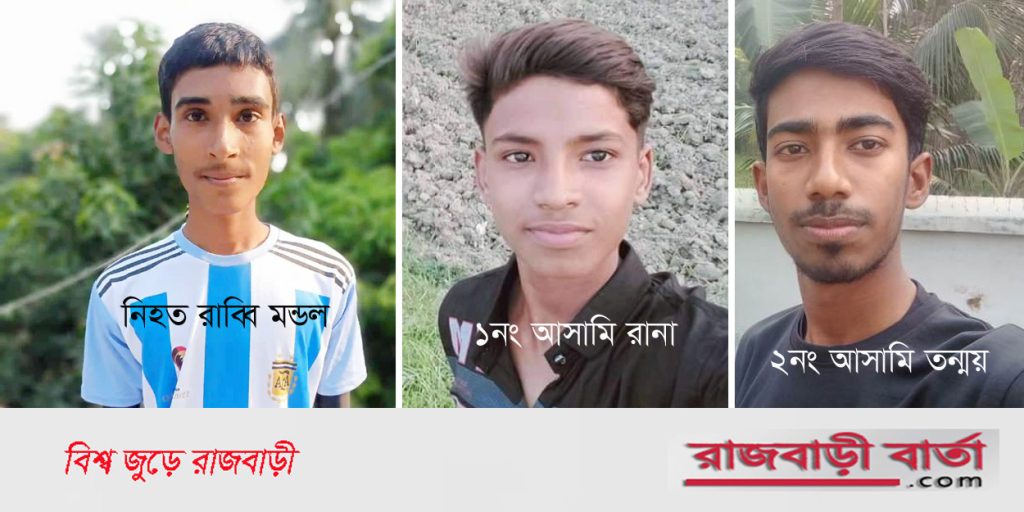

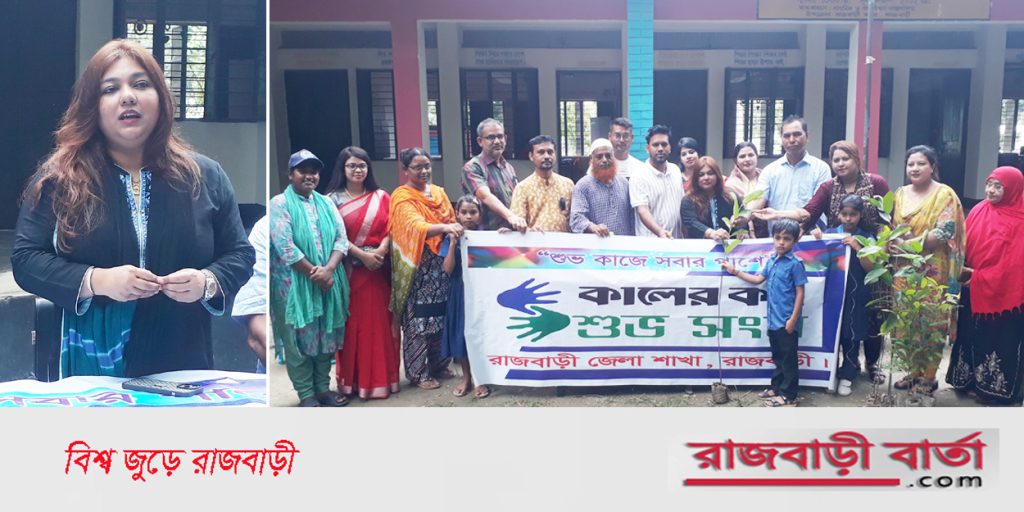








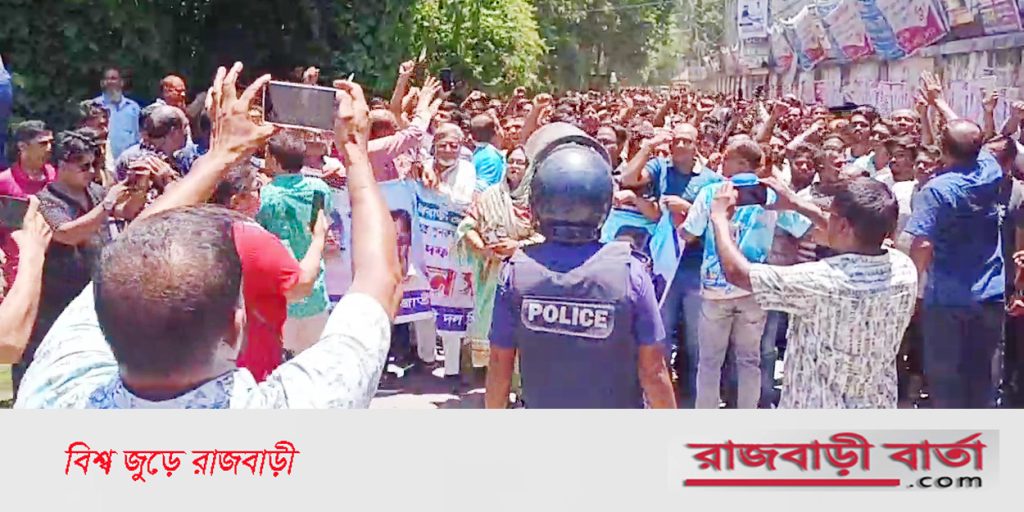


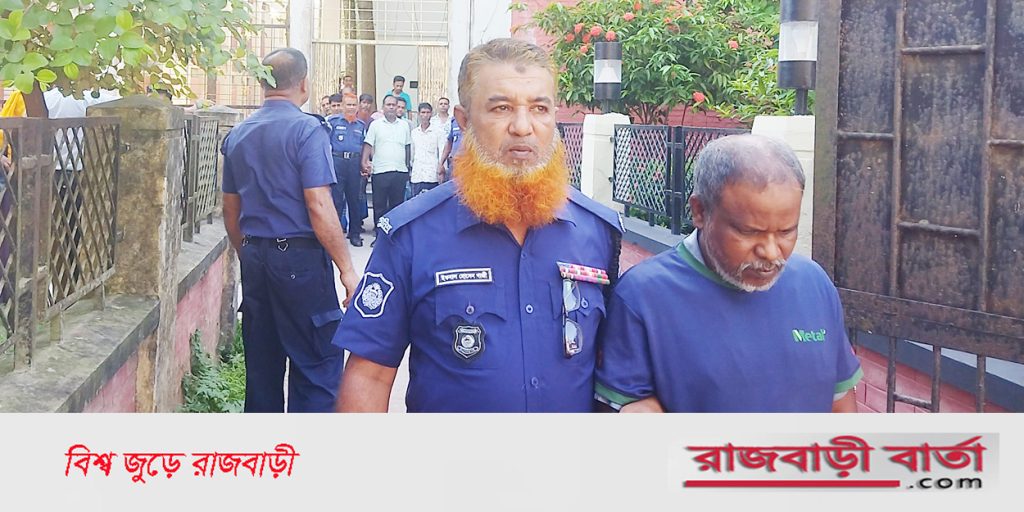














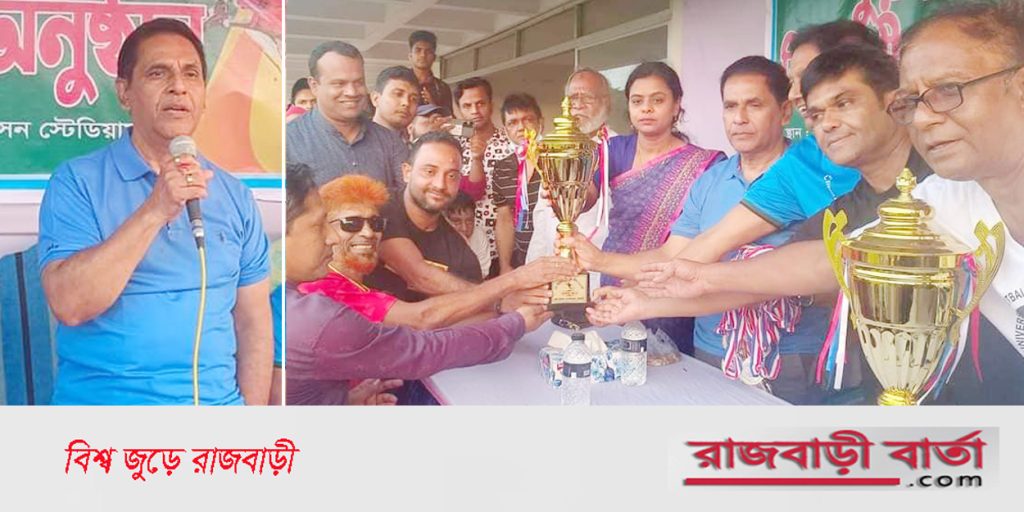

রাজবাড়ীতে বিএনপি’র খৈয়ম গ্রুপের সাথে যুবলীগ ও ছাত্রলীগের ধাওয়া পাল্টা ধাওয়া: ভাংচুর,গুলি, আটক


পাংশায় স্কুল শিক্ষককে গুলি করে হত্যায় অংশ নেয়া ৩ আসামি গ্রেপ্তার, আগ্নেয়াস্ত্র ও বোমা উদ্ধার




ঈদ উপলক্ষে রাজবাড়ী ও গোয়ালন্দের দলীয় নেতাদের মাঝে ২৬ লাখ টাকা বিতরণ করলেন এমপি কাজী কেরামত আলী


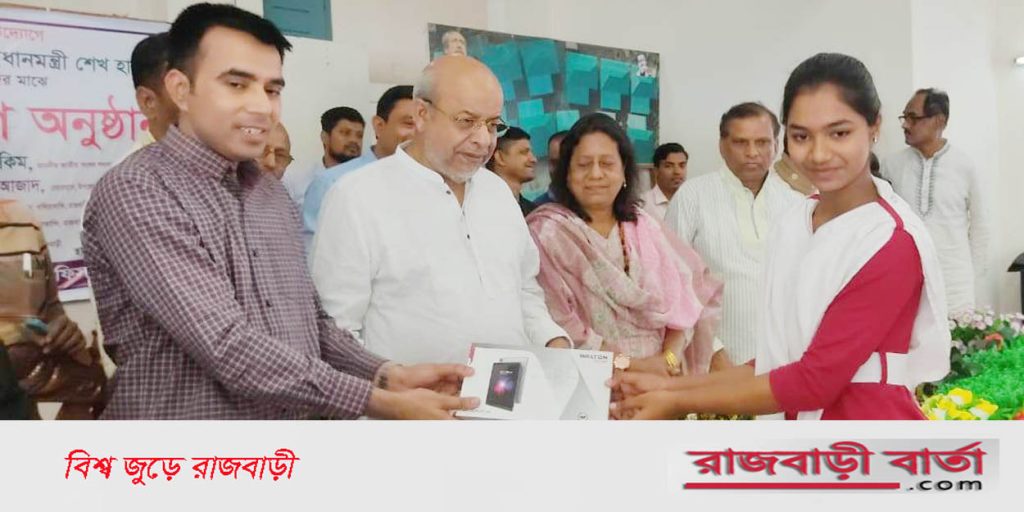
প্রথম আলো’র সাংবাদিকের মুক্তি ও সম্পাদকের বিরুদ্ধে মামলা প্রত্যাহারের দাবিতে রাজবাড়ীতে মানববন্ধন

বালিয়াকান্দিতে মাধব বাহিনীর চাঁদাবাজির ও সন্ত্রাসী কার্যকলাপের বিরুদ্ধে মানববন্ধন ও প্রতিবাদ সভা


বরাট দেওয়ান মোহাম্মদ ইসহাক হাফেজিয়া মাদ্রাসা ও নূরানী কিন্ডারগার্টেন বাৎসরিক ক্রীড়া প্রতিযোগিতা

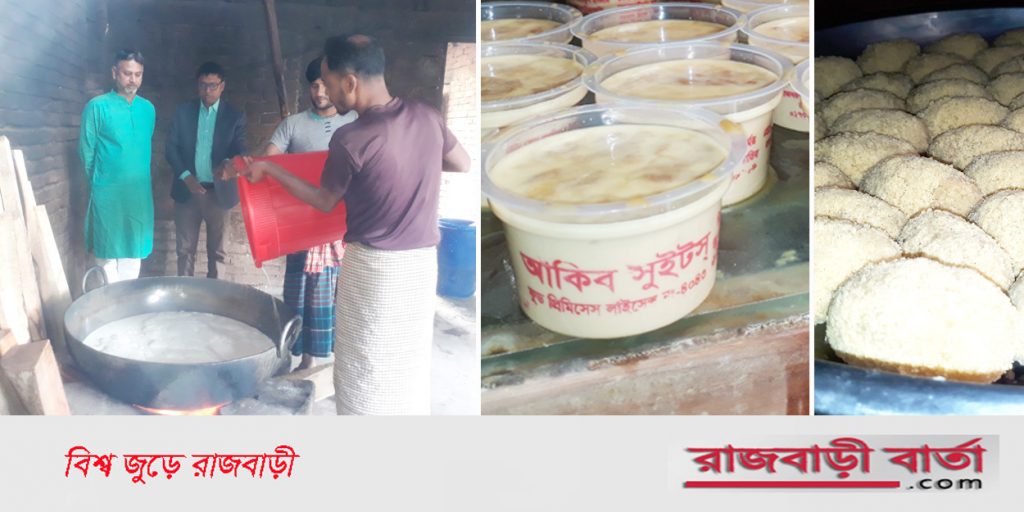
চাঁদার দাবীতে গোয়ালন্দে ঠিকাদারী প্রতিষ্ঠানের ব্যবস্থাপককে মারধর, ছাত্রলীগ নেতা শরিফুল গ্রেপ্তার
বিদ্যুৎ ও গ্যাসের ক্ষেত্রে দুর্ণীতি বন্ধ করা হলে উচ্চ মূল্য কিনতে হতো না – রাজবাড়ীতে রাশেদ খান মেনন
মূল্য তালিকা প্রদর্শন না করা ও অধিক মূল্যে পণ্য বিক্রির দায়ে সোনাপুর বাজারের দু’ব্যবসায়ীর জরিমানা