


Ancient history unfolds during tours of the krakow salt mines and beyond

- Update Time : ০৬:৪৪:০২ অপরাহ্ন, বুধবার, ২৮ অক্টোবর ২০২৬
- / ৩ Time View

- Ancient history unfolds during tours of the krakow salt mines and beyond
- The Historical Development of Wieliczka Salt Mine
- The Role of Mining Guilds
- Exploring the Underground Chapels and Chambers
- The Chamber of Polish History
- The Geology and Formation of the Salt Deposits
- Salt as a Preservative and Resource
- Practical Information for Visiting the Krakow Salt Mines
- Exploring Beyond Wieliczka: The Bochnia Salt Mine and Future Developments
Ancient history unfolds during tours of the krakow salt mines and beyond
The allure of Poland extends beyond its vibrant cities and poignant history, reaching deep beneath the surface into a mesmerizing world of salt. Among the country's most remarkable attractions are the krakow salt mines, a UNESCO World Heritage site that draws visitors from across the globe. These aren't merely mines; they are an underground civilization carved from rock salt over centuries, a testament to human ingenuity and a breathtaking spectacle of geological artistry. Exploring these subterranean chambers is like stepping back in time, offering a unique glimpse into Poland's rich mining heritage and artistic prowess.
For generations, the salt mines of Krakow served as a vital economic resource, providing salt – a valuable commodity in pre-industrial Europe – and contributing significantly to the region's prosperity. However, the mining operation evolved into something far grander than simply extraction. Miners skillfully transformed the salt into stunning sculptures, elaborate chapels, and intricate decorations, turning the mines into a hidden repository of art and history. Today, a carefully curated route allows tourists to safely traverse a portion of this incredible underground world, showcasing the most impressive features and offering insight into the lives of the miners who toiled within.
The Historical Development of Wieliczka Salt Mine
The story of the Wieliczka Salt Mine, the most famous of the Krakow salt mines, is deeply interwoven with the history of Poland itself. Salt mining in the area began as early as the 13th century, and for centuries, the mine was a crucial source of wealth for the Polish crown. The mine’s development wasn’t simply about digging; it was a complex undertaking involving skilled engineers, miners, and artisans. They continuously expanded the network of tunnels, chambers, and shafts, creating an intricate labyrinth beneath the surface. This expansion wasn't always easy; miners faced challenges relating to geological instabilities, flooding, and the inherent dangers of working underground. The success of the mine relied on constant innovation, developing technologies to extract salt more efficiently and safely, and techniques to reinforce the tunnels and prevent collapses.
The Role of Mining Guilds
The operation of the Wieliczka Salt Mine was significantly influenced by the mining guilds, powerful organizations representing the interests of the miners. These guilds weren’t just about labor; they played a crucial role in establishing safety regulations, training new miners, and managing the mine’s resources. Members of the mining guilds were fiercely independent, and were able to negotiate with the Polish royalty for favorable working conditions and fair compensation. The guilds also fostered a strong sense of community amongst the miners and protected the tradition of craftsmanship. The guilds also preserved their unique culture and traditions, with their own patron saint, rituals, and even a distinct dialect, to further solidifying their identity and internal cohesion.
| Year | Significant Event |
|---|---|
| 13th Century | Start of salt mining at Wieliczka |
| 16th-17th Centuries | Peak period of mining and artistic development |
| 1978 | Wieliczka Salt Mine designated as a UNESCO World Heritage Site |
| Present | Continued tourism and preservation efforts |
Today, visitors can explore a small fraction of the vast network of tunnels that stretch for over 300 kilometers, offering a glimpse into the enduring legacy of the Wieliczka Salt Mine and its contribution to Polish history and culture. The artistry and skill displayed in the underground chambers is a testament to the dedication and ingenuity of the miners who shaped this unique historical landmark.
Exploring the Underground Chapels and Chambers
One of the most remarkable aspects of the Krakow salt mines is the stunning network of underground chapels and chambers carved entirely from rock salt. The St. Kinga's Chapel is perhaps the most famous, an awe-inspiring space adorned with intricate salt sculptures, chandeliers, and religious artwork. It’s a magnificent tribute to the miners’ faith and artistic skills. The creation of this chapel was a monumental undertaking, taking decades to complete, with miners dedicating their free time to carve the chapel's many sculptures and embellishments. The chapel serves as an active place of worship so it is a deeply meaningful and spiritual place.
The Chamber of Polish History
Beyond St. Kinga's Chapel, the mines contain a variety of other fascinating chambers, each with its unique character and historical significance. The Chamber of Polish History is a particularly notable example, featuring a series of impressive salt reliefs depicting scenes from Polish history and mythology. These reliefs represent a collective effort of the miners, who demonstrated patriotism and a deep connection to their national heritage through their artistic endeavors. The Chamber of Polish History serves as a unique educational experience, offering visitors an engaging way to learn about Poland’s turbulent and captivating history.
- The salt mine’s constant temperature and humidity are conducive to preserving the salt sculptures.
- Visiting the mines requires a moderate level of physical fitness due to the extensive walking and stairs.
- Guided tours are available in multiple languages, providing valuable insights into the mine’s history and geology.
- The microclimate within the mines is believed to offer therapeutic benefits for respiratory conditions.
- Photography is permitted in most areas, allowing visitors to capture the beauty and grandeur of the underground world.
The underground world is a testament to the power of human creativity and the enduring legacy of Poland’s mining traditions. The dedication and artistry of the miners have transformed a working mine into a breathtaking cultural treasure.
The Geology and Formation of the Salt Deposits
The formation of the Krakow salt mines is a fascinating story stretching back millions of years, beginning with the evaporation of an ancient sea. During the Miocene epoch, a shallow sea covered much of central Europe, leaving behind vast deposits of salt as the water evaporated. Over time, these salt deposits were buried under layers of sediment, compressed, and transformed into solid rock salt. Tectonic movements and geological processes subsequently shaped the landscape, creating the conditions necessary for the formation of the salt mines. The unique geological conditions of the Krakow region were essential in preserving the salt deposits, making the area ideal for salt extraction.
Salt as a Preservative and Resource
Before the era of modern refrigeration, salt was an incredibly valuable commodity because of its preservative qualities. It was used to preserve food, cure meats, and protect against spoilage, making it essential for survival during the winter months and long journeys. The salt mines of Krakow played a vital role in supplying salt to Poland and neighboring regions, contributing to trade and economic prosperity. Beyond its use as a food preservative, salt was also important in the production of various industrial products, including chemicals, dyes, and pharmaceuticals. The demand for salt fueled the expansion of the mines and the development of innovative mining techniques.
- Salt deposits were formed through the evaporation of ancient seas.
- Tectonic movements and geological processes shaped the landscape and exposed the salt deposits.
- Salt was a valuable commodity for food preservation and industrial applications.
- Mining techniques evolved over centuries to improve efficiency and safety.
- The mines’ unique microclimate benefits human health.
The geology of the Krakow salt mines is a remarkable example of natural history, demonstrating the power of geological forces and the enduring value of natural resources. The story of the mines is skillfully woven from the earth's history, a history manifested in the impressive rock formations that surround visitors on their tours.
Practical Information for Visiting the Krakow Salt Mines
Planning a visit to the krakow salt mines requires some preparation to ensure a smooth and enjoyable experience. The mines are located in the town of Wieliczka, accessible by public transportation or organized tours from Krakow. The tours are conducted in multiple languages, allowing visitors from all over the world to fully appreciate the mine’s history and geology. It’s advisable to book your tour in advance, especially during peak season, as spaces can fill up quickly. Comfortable shoes are essential, as the tour involves a significant amount of walking and descending hundreds of stairs. The temperature inside the mine remains fairly constant throughout the year, typically around 14-16°C (57-61°F), so bringing a light jacket or sweater is a good idea.
The mine also offers several additional attractions, including a restaurant, souvenir shops, and a museum, providing opportunities to extend your visit. Visitors should be aware that photography is permitted in most areas of the mine, but flash photography may be restricted in certain chapels to protect the delicate salt sculptures. A visit to the Krakow salt mines is a unique and unforgettable experience, offering a glimpse into the rich history, culture, and geological wonders of Poland.
Exploring Beyond Wieliczka: The Bochnia Salt Mine and Future Developments
While the Wieliczka Salt Mine is undoubtedly the most famous, the Bochnia Salt Mine provides a compelling alternative – and often less crowded – experience. Bochnia is actually the oldest salt mine in Poland, with documented extraction dating back to the 13th century. Visitors to Bochnia can undertake an underground river cruise on rafts, navigating through the intricate network of tunnels and chambers. This unique perspective offers a fresh and exciting way to explore the mine’s depths. The Bochnia Salt Mine also features a dedicated therapy center, utilizing the mine’s microclimate to provide treatments for respiratory ailments.
Looking toward the future, there's a growing emphasis on preserving the Krakow salt mines for generations to come. Ongoing research and conservation efforts are focused on stabilizing the tunnels, protecting the salt sculptures, and enhancing the visitor experience. There are plans to explore and potentially open sections of the mines that are currently inaccessible to the public, creating new opportunities for discovery and education. The dedication to preserving this invaluable heritage ensures that the legacy of the Krakow salt mines will continue to inspire and captivate visitors for many years to come.
Please Share This Post in Your Social Media


























































রাজবাড়ীতে বিএনপি’র খৈয়ম গ্রুপের সাথে যুবলীগ ও ছাত্রলীগের ধাওয়া পাল্টা ধাওয়া: ভাংচুর,গুলি, আটক


পাংশায় স্কুল শিক্ষককে গুলি করে হত্যায় অংশ নেয়া ৩ আসামি গ্রেপ্তার, আগ্নেয়াস্ত্র ও বোমা উদ্ধার




ঈদ উপলক্ষে রাজবাড়ী ও গোয়ালন্দের দলীয় নেতাদের মাঝে ২৬ লাখ টাকা বিতরণ করলেন এমপি কাজী কেরামত আলী



প্রথম আলো’র সাংবাদিকের মুক্তি ও সম্পাদকের বিরুদ্ধে মামলা প্রত্যাহারের দাবিতে রাজবাড়ীতে মানববন্ধন

বালিয়াকান্দিতে মাধব বাহিনীর চাঁদাবাজির ও সন্ত্রাসী কার্যকলাপের বিরুদ্ধে মানববন্ধন ও প্রতিবাদ সভা


বরাট দেওয়ান মোহাম্মদ ইসহাক হাফেজিয়া মাদ্রাসা ও নূরানী কিন্ডারগার্টেন বাৎসরিক ক্রীড়া প্রতিযোগিতা

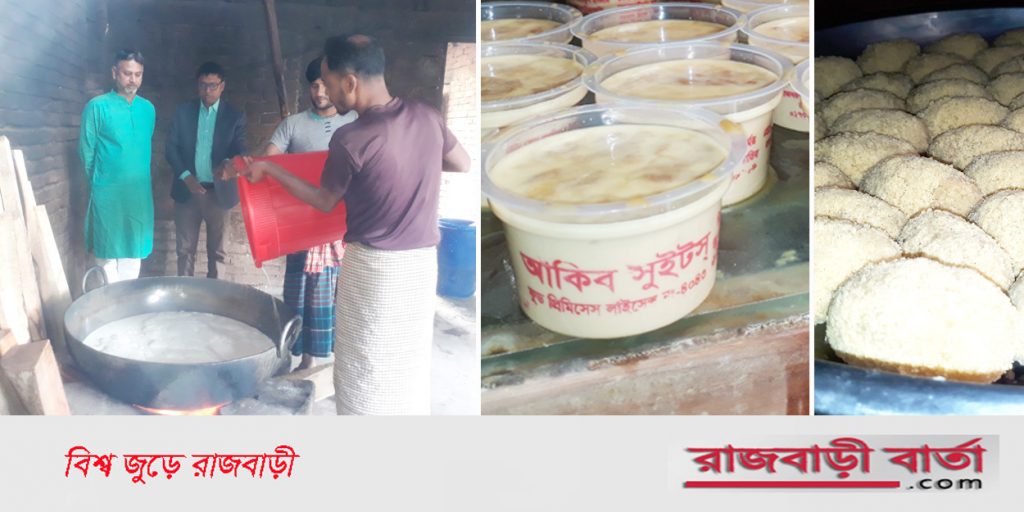
চাঁদার দাবীতে গোয়ালন্দে ঠিকাদারী প্রতিষ্ঠানের ব্যবস্থাপককে মারধর, ছাত্রলীগ নেতা শরিফুল গ্রেপ্তার

বিদ্যুৎ ও গ্যাসের ক্ষেত্রে দুর্ণীতি বন্ধ করা হলে উচ্চ মূল্য কিনতে হতো না – রাজবাড়ীতে রাশেদ খান মেনন
মূল্য তালিকা প্রদর্শন না করা ও অধিক মূল্যে পণ্য বিক্রির দায়ে সোনাপুর বাজারের দু’ব্যবসায়ীর জরিমানা